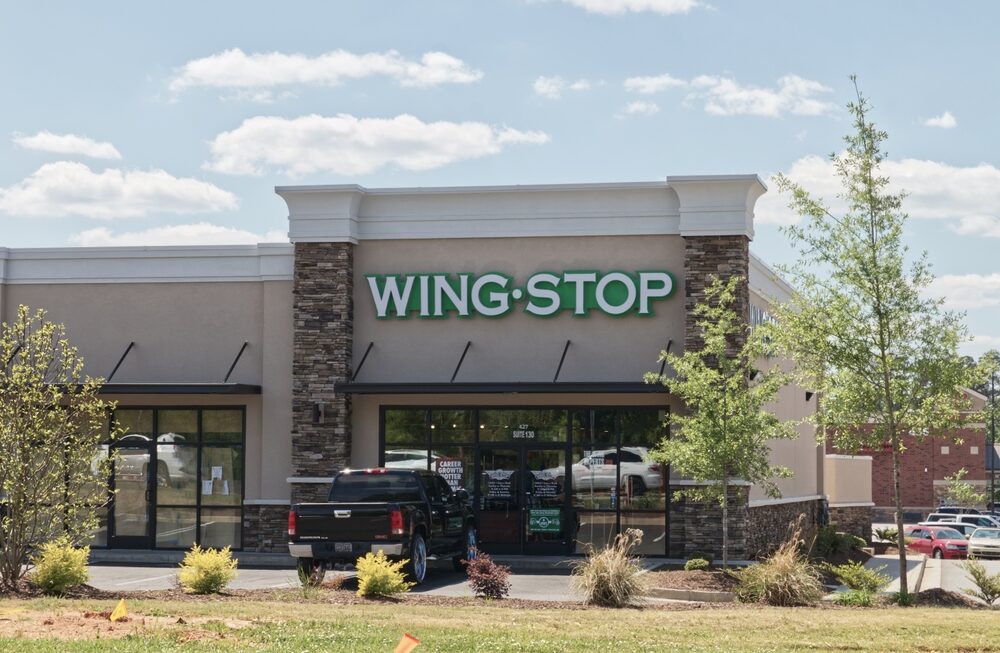
The fast-casual restaurant industry continues to attract entrepreneurs who want to combine brand recognition with strong consumer demand. Among the most talked-about concepts in this space is the wingstop franchise, a brand known for its focused menu, loyal customer base, and nationwide presence. For aspiring business owners in Dallas, TX—a city with deep sports culture, diverse dining habits, and rapid population growth—Wingstop often appears on the shortlist of potential food franchise investments.
However, investing in a well-known restaurant brand is a major decision that requires careful planning, financial readiness, and realistic expectations. This article explores what prospective owners should understand about Wingstop franchise ownership, how it fits into the Dallas market, and why professional franchise guidance can be invaluable before moving forward.
Understanding the Wingstop Franchise Model
Wingstop is a fast-casual restaurant concept that specializes in cooked-to-order chicken wings, fries, and complementary sides. Unlike restaurants with extensive menus, Wingstop’s streamlined offering allows for operational consistency, simplified training, and efficient kitchen workflows.
The franchise model is built around standardized store layouts, centralized marketing, and established supply chains. Franchisees operate under the Wingstop brand while adhering to strict operational and branding guidelines designed to protect consistency across all locations.
This focus on simplicity and specialization has helped Wingstop expand rapidly across the United States and internationally, making it a recognizable name in the competitive restaurant franchise space.
Why Wing-Based Concepts Continue to Perform Well
Chicken wings remain one of the most popular food categories in the U.S., driven by sports viewership, social dining, and takeout-friendly formats. Wing-focused restaurants benefit from:
- High demand during sporting events and social gatherings
- Strong off-premise sales through takeout and delivery
- A menu that appeals to multiple age groups
- Relatively efficient kitchen operations
According to the National Restaurant Association, off-premise dining and limited-menu concepts continue to play a major role in restaurant growth and consumer behavior (National Restaurant Association).
Investment Considerations for a Wingstop Franchise
While Wingstop benefits from strong brand recognition, it is not considered a low-cost franchise. Prospective owners should be prepared for a significant financial commitment and a hands-on approach to operations, particularly during the early stages.
Typical investment considerations include:
- Initial franchise fees
- Build-out and equipment costs
- Real estate and lease expenses
- Initial inventory and training costs
- Ongoing royalties and marketing contributions
Because restaurant margins can be sensitive to labor costs, food pricing, and operational efficiency, financial planning and cash reserves are critical.
Financing a Wingstop Franchise
Many Wingstop franchisees utilize financing to fund their investment. Common financing options may include:
- SBA-backed loans
- Traditional bank loans
- 401(k) rollovers for business startups (ROBS)
- Personal equity or investment partners
The U.S. Small Business Administration notes that franchises with established operating histories often have improved access to financing due to their standardized systems and performance data (U.S. Small Business Administration).
Why Dallas Is a Strong Market for Wing-Focused Restaurants
Dallas is one of the most attractive markets in the country for restaurant franchise ownership. With a growing population, thriving sports culture, and diverse neighborhoods, the city offers multiple opportunities for fast-casual dining concepts.
Key advantages of the Dallas market include:
- A large and expanding suburban population
- Strong demand for takeout and delivery options
- Year-round sports and entertainment culture
- No state income tax in Texas
These factors can support high-volume locations when paired with the right site selection, management team, and local marketing execution.
The Importance of Location and Operations
For a Wingstop franchise, location selection is one of the most critical success factors. High-traffic retail corridors, strong delivery zones, and visibility are often essential to achieving target sales volumes.
Equally important is operational discipline. Franchisees must manage:
- Labor scheduling and retention
- Food cost controls
- Customer experience and consistency
- Compliance with brand standards
Restaurant franchising rewards owners who are process-driven, metrics-focused, and comfortable managing teams.
How Franchise Consulting Helps Evaluate a Wingstop Franchise
Because Wingstop is a well-known brand, many aspiring owners approach the opportunity with excitement—but without a full understanding of what ownership truly entails. This is where franchise consulting plays a critical role.
A franchise consultant helps candidates objectively evaluate whether a Wingstop franchise aligns with their:
- Financial capacity
- Risk tolerance
- Time commitment expectations
- Long-term business goals
Consultants also help compare Wingstop to other food and non-food franchise models, ensuring candidates understand alternative paths that may better fit their lifestyle or investment strategy.
For a deeper, brand-specific breakdown, this detailed guide on wingstop franchise ownership outlines key considerations, expectations, and due diligence steps for aspiring owners.
Common Mistakes Aspiring Wingstop Franchisees Make
Even strong brands are not immune to operational challenges. Some common mistakes include:
- Underestimating working capital needs
- Assuming brand strength guarantees success
- Failing to plan for staffing challenges
- Not fully understanding multi-unit development requirements
Professional guidance helps mitigate these risks by setting realistic expectations from the outset.
Is a Wingstop Franchise the Right Fit for You?
A Wingstop franchise can be a compelling opportunity for the right entrepreneur—particularly those with restaurant experience, strong management skills, and the financial resources to support growth. It is best suited for owners who are comfortable operating within a structured system and who are prepared for the demands of the foodservice industry.
For Dallas-based entrepreneurs, the combination of market demand and brand recognition can create strong upside potential when paired with disciplined execution and strategic planning.
Before making an investment, it’s essential to evaluate not just the brand, but your own goals, lifestyle preferences, and long-term vision. With proper due diligence and expert guidance, a Wingstop franchise can be one path—among many—toward successful restaurant ownership.
If you are exploring food franchise opportunities and want clarity before committing, taking the time to understand the realities behind the Wingstop franchise model can help you move forward with confidence and purpose.
